
A mechanical watch sits at the crossroads of timekeeping, engineering, design, and long-term ownership responsibility. This article doesn’t endorse any particular retailer or model; it simply offers a framework for evaluating mechanical watches on their practical merits.
Why Choosing a Mechanical Watch Requires More Than Comparing Prices
What Defines a Mechanical Watch?
Mechanical watches rely on physical components rather than a battery to keep time. A manual-winding movement requires the wearer to turn the crown regularly, storing energy in the mainspring by hand. An automatic movement takes a different approach, using a rotor that spins with wrist motion to wind the mainspring on its own.
Quartz movements, by contrast, use a battery-powered oscillating crystal and are often more accurate on a day-to-day basis, though they operate on a fundamentally different principle altogether.
Mechanical construction alone doesn’t guarantee superior accuracy—what it offers instead is a different kind of engagement with timekeeping.
Inside a mechanical watch, the mainspring stores energy, the gear train distributes it, the escapement releases it in controlled increments, and the balance wheel oscillates to keep the pace steady. In automatic watches, the rotor keeps this entire system wound during normal wear.
Unlike most consumer electronics, it’s built to last for decades with proper care—which means the right choice hinges far more on lifestyle, wrist comfort, and maintenance expectations than on brand recognition alone.
Anyone comparing options across established categories, including breitling watches, would do well to first understand how movement type, case materials, accuracy claims, and servicing requirements shape the ownership experience before getting caught up in aesthetics or prestige.
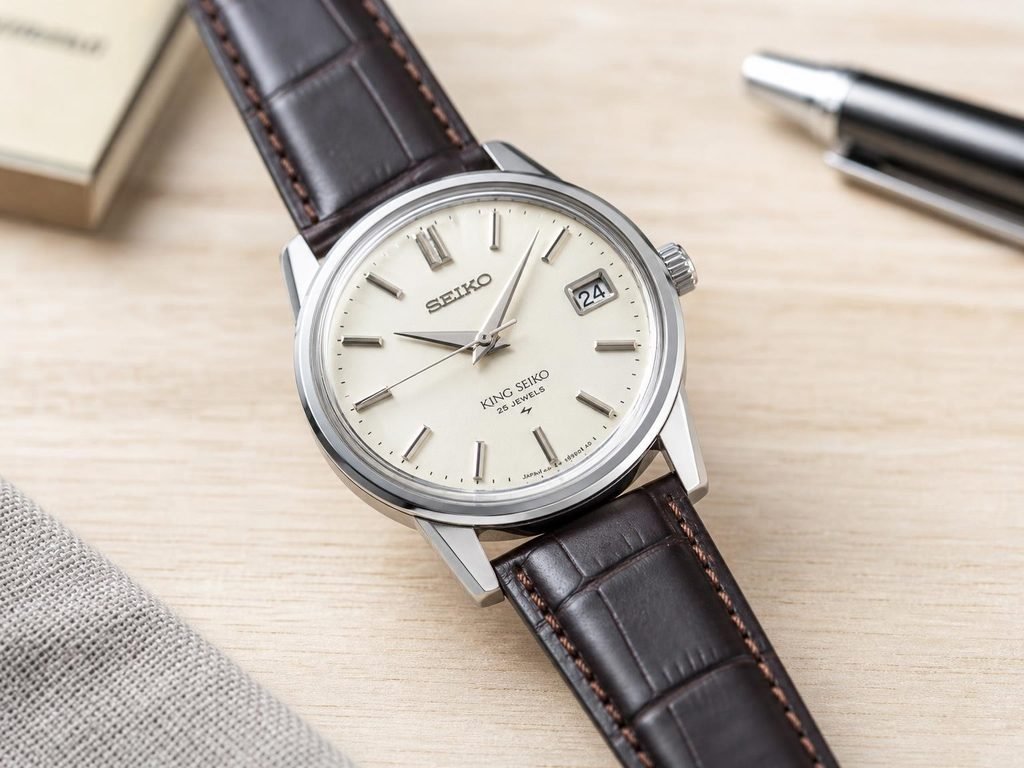
Match the Watch to Your Daily Routine
Lifestyle should guide this decision more than specifications ever will.
Someone working in an office has very different needs than someone who travels constantly, exercises outdoors, or wears a watch occasionally as part of a broader collection. Relevant practical factors include water resistance, exposure to shocks or magnetic fields, dial legibility, and strap comfort.
It’s also worth noting that water-resistance ratings describe laboratory test conditions, not recommended diving depths.
Consider two realistic scenarios. One person wants a low-maintenance watch that keeps reasonable time without requiring daily attention—an automatic or quartz option may suit them better.
Another person actually enjoys the ritual of winding and watching a mechanical movement do its thing, making a manual-winding watch part of the appeal rather than a chore.
Evaluate the Movement and Accuracy Claims
Accuracy in mechanical watches varies based on movement quality, wearer activity, position, and even temperature. It helps to draw a clear line between a manufacturer’s stated tolerance, independent certification, and informal marketing phrases like “high precision,” which carry no standardized meaning whatsoever.
Chronometer certification refers to a movement or watch that has passed defined accuracy testing. The Official Swiss Chronometer Testing Institute (COSC) evaluates mechanical movements across multiple positions and temperatures over a defined testing period under ISO 3159 standards.
Certification offers solid evidence of tested performance, but it doesn’t eliminate the need for regular servicing, nor does it guarantee identical results once the watch is worn daily.
Accuracy is not the same as durability. A certified movement can still require servicing down the line, and a non-certified movement may run reliably for years given proper care.
Consider Case Materials, Crystal, and Construction
Common case materials include stainless steel, titanium, gold, and ceramic or specialized alloys, each carrying its own set of trade-offs.
Steel is durable and relatively affordable to repair; titanium is lighter and more corrosion-resistant but can be harder to polish; gold offers that traditional appeal but is softer and heavier on the wrist; ceramic resists scratches admirably but tends to be more brittle under impact.
Crystal choice matters just as much. Acrylic is impact-resistant but scratches easily; mineral glass splits the difference; sapphire crystal resists scratching exceptionally well but can still crack or chip under a hard enough knock.
Beyond diameter, case thickness, lug-to-lug length, lug shape, and overall profile all affect how a watch actually sits on the wrist. Measuring wrist circumference and trying on comparable case shapes gives a far more reliable sense of fit than diameter specifications alone ever could.
Understand Water Resistance and Everyday Protection
Water-resistance markings deserve a conservative interpretation. Splash resistance, swimming suitability, and recreational diving suitability are entirely different categories, and seals can degrade over time—or after a case has been opened for servicing.
Checking manufacturer documentation and having seals tested periodically is far more reliable than simply assuming a watch remains as water-resistant as the day it was new.
Calculate the Full Cost of Ownership
Purchase price is only one piece of the mechanical-watch ownership puzzle. Long-term costs can include routine servicing, water-resistance testing, strap or bracelet replacement, and the occasional crown or gasket repair.
Service intervals vary by movement type, usage patterns, and manufacturer guidance, so there’s no single interval that applies universally. Keeping service records and receipts helps establish a documented maintenance history, which matters quite a bit when it comes to resale and insurance.
A simple checklist can help here: initial cost, expected maintenance, access to qualified service, availability of replacement parts, and warranty terms.
Assess Fit, Legibility, and Personal Usability
Dial contrast, hand visibility, date-window readability, crown operation, and bracelet adjustment all play into daily usability.
Lighting conditions and personal eyesight influence which dial designs actually work best for a given wearer. Comparing the dimensions of a watch you already find comfortable can be a genuinely practical reference point when evaluating new options.
Verify Authenticity and Documentation
For pre-owned purchases, checking reference numbers, serial numbers, movement consistency, warranty documents, and service records is essential. Packaging alone doesn’t establish authenticity—far from it.
Professional inspection by an authorized service center or an independent qualified watchmaker is advisable for higher-value purchases, and relying solely on photographs can be misleading, especially when it comes to assessing the condition of the movement.
Key Questions to Ask Before Buying
- How often will the watch actually be worn?
- Is manual winding or automatic winding more convenient day to day?
- What level of water resistance is genuinely needed?
- Does the case fit the wearer’s wrist comfortably?
- Are the accuracy claims independently verified?
- What servicing and repair support is realistically available?
- Are the condition, provenance, and return terms clearly documented?
Practical Ownership Habits That Protect a Mechanical Watch
Store the watch away from strong magnets, excessive heat, or moisture. Follow the manufacturer’s winding instructions, and avoid operating the crown underwater unless the watch is explicitly rated for it.
Clean cases and bracelets using methods suited to their specific materials, and have any unusual symptoms—sudden accuracy shifts, condensation under the crystal, or unfamiliar rotor noise—examined promptly by a qualified professional.
Selecting Based on Priorities, Not Status
A sound choice balances intended use, comfort, reliability, maintenance expectations, and budget. Complications, heritage, and certification can all be meaningful, but only when they align with how the watch will actually be worn and cared for in practice.
Final Perspective: Make the Decision Evidence-Based
Choosing a mechanical watch means weighing movement type, fit, construction, water resistance, and documented service needs all together, rather than in isolation.
Comparing technical claims against real-life use, and verifying important details through manufacturer materials or recognized testing organizations, leads to a far more informed decision than relying on specifications alone. In the end, the most suitable watch is simply the one whose capabilities and care requirements match the owner’s actual habits.